

Tungsten carbide coating is used to enhance the corrosion resistance and wear performance of valve cores and valve seats.
Release date:
2021-07-22
Author:
Source:
To enhance the corrosion resistance and wear performance of the valve stem and valve seat, it is necessary to treat their surfaces. These treatment methods can be categorized into surfacing welding and spraying.
Build-up welding: A welding process used to deposit a layer of material with specific functional properties onto the surface of a component, aiming to enhance its resistance to corrosion, heat, wear, and other performance characteristics.
Spraying: A heat source in a specific form is used to heat powder, wire, or rod-shaped coating materials until they reach a molten or semi-molten state. Simultaneously, an accelerating gas is employed to atomize the material into fine droplets, which are then sprayed onto the surface of the treated part, forming a coating layer.
There are also processing methods such as laser cladding, which offer superior microstructural characteristics and high-temperature wear resistance compared to surfacing and spraying techniques. For detailed information, refer to "Study on the Microstructure and High-Temperature Wear Resistance of Laser Cladding Layers on Nuclear Valve Discs."
As foundational industries and high-tech product sectors advance, the demand for high-quality, efficient surface modification and coating technologies continues to deepen. Driven by mutual advancements between domestic and international research in this field and related disciplines, significant breakthroughs have been achieved in areas such as "thermochemical surface modification," "high-energy plasma surface coating," "diamond film coating technology," and "modeling and performance prediction of surface modification and coating processes."
The valve core, serving as the primary material for cemented carbide valve seats, possesses the exceptional properties of cemented carbide—offering extended service life, excellent corrosion resistance, and superior wear resistance, while also withstanding high pressures. When tungsten and carbon are combined, they form tungsten carbide, the hardest substance among carbides. When parts or equipment experience wear, welding hard-facing materials using cemented carbide is the quickest and simplest method. Moreover, its versatility and flexibility in application make it unmatched in practical use.
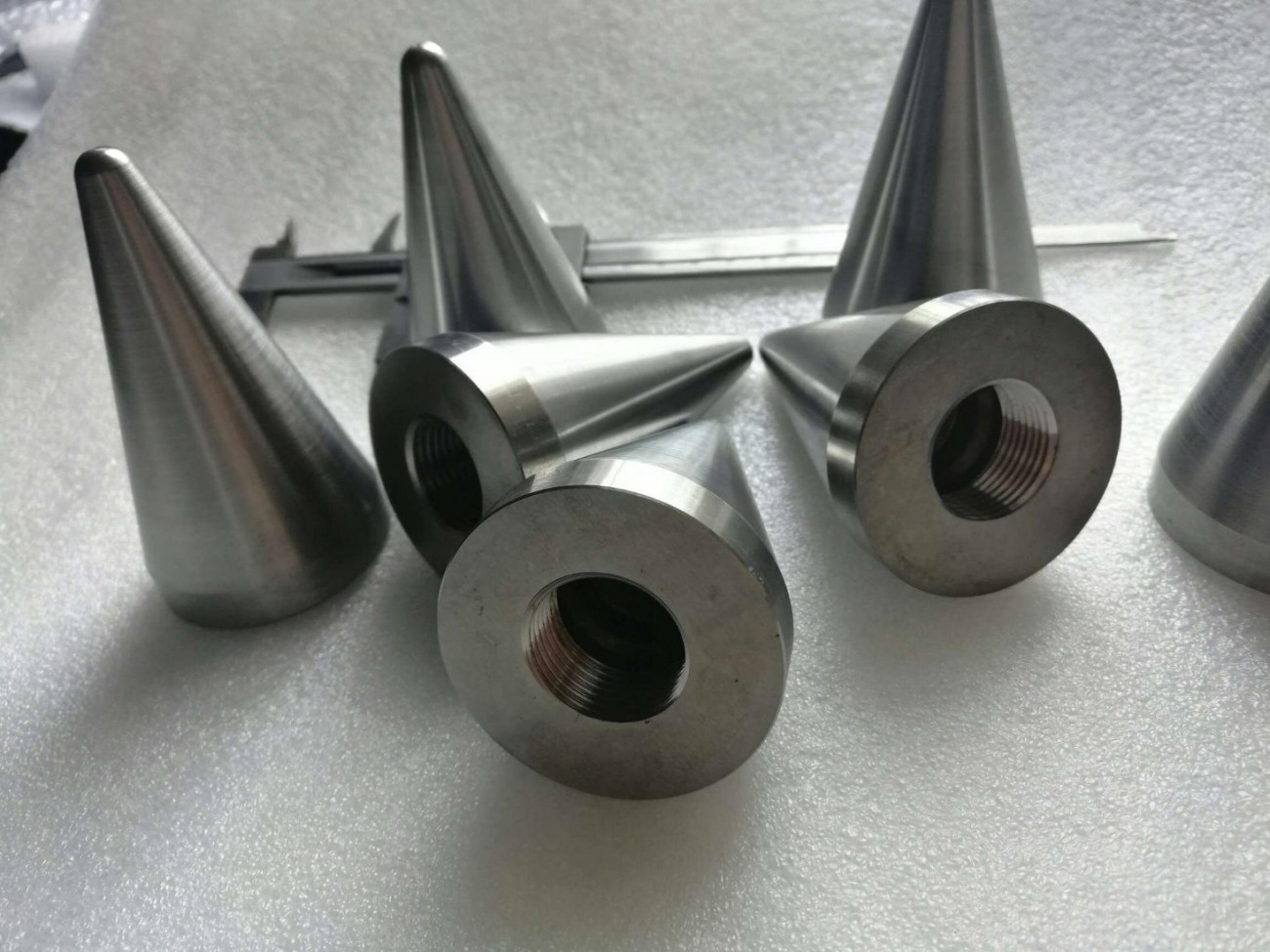
Carbide valve spool: The valve spool is the essential component within a valve body, enabling directional control, pressure regulation, or flow management through its movement. In a pressure-reducing valve, the spool serves as one of the primary parts responsible for controlling pressure.
Related News
What are the advantages of carbide threaded drill bits?
2025-09-20
How to effectively improve the surface precision of workpieces?
2022-07-05
Things to keep in mind when using carbide hob cutters!
2022-07-05

Sireep
WeChat QR code
Service hotline:+86-731-22590305
Email:eva.ling@sruipu.com
Address: Building 6-B, Power Components Industrial Park, Xinma Innovation & Self-Reliance Park, Tianyuan District, Zhuzhou City, Hunan Province
tel:
E-mail:
在线客服添加返回顶部
启用全局默认滚动动画 (向上滚动)
右侧在线客服样式 1,2,3 1
图片alt标题设置: Zhuzhou Sirepu Cemented Carbide Co., Ltd.
表单验证提示文本: The content cannot be empty!
循环体没有内容时: Sorry, no matching content was found.
CSS / JS 文件放置地