

What are the advantages of carbide threaded drill bits?
Release date:
2025-09-20
Author:
Source:
I. Made from a hard material with exceptional wear resistance, it boasts a long service life.
- Compared to traditional high-speed steel drill bits: When machining hard materials such as granite, concrete, and high-carbon steel (e.g., 45# steel quenched parts), carbide-threaded drill bits can significantly extend their service life. 3 to 10 times , reduce downtime caused by frequent tool changes and lower the cost of tool replacement.
II. High drilling precision, perfectly suited for precision machining needs.
- Structural design ensures concentricity. : The threaded interfaces (such as R-type and T-type) of the cemented carbide thread drill bits have extremely small mating clearances with the drill rods—typically ≤0.02 mm—resulting in minimal bit wobble during drilling. This allows for hole diameter tolerances to be tightly controlled within **±0.05 mm**, making it ideal for precision drilling applications in mechanical components, molds, and other high-accuracy scenarios.
- The cutting edge is sharp and stable. : The carbide cutting edge undergoes precision grinding, resulting in a highly uniform edge finish; after drilling, the hole wall roughness can reach Ra1.6-Ra3.2 , no additional reaming or polishing required, reducing subsequent processing steps.
III. High chip removal and heat dissipation efficiency reduce the risk of drill jamming.
- Thread-assisted chip removal The threaded connection structure between the drill bit and drill rod forms a "helical channel" during rotary drilling. Combined with the bit's own chip-flushing grooves—such as straight grooves or spiral grooves—this design efficiently removes rock debris and metal chips from the hole, preventing clogging that could lead to issues like "bit jamming" or "tool burning."
- Excellent heat dissipation performance : The thermal conductivity of cemented carbide (approximately 80–120 W/(m·K)) is higher than that of high-speed steel (about 15–30 W/(m·K)). Additionally, the threaded connection can help transfer some heat away through the drill rod. When combined with cooling water (wet drilling), this further reduces the drill bit’s temperature, preventing material softening caused by excessive heat.
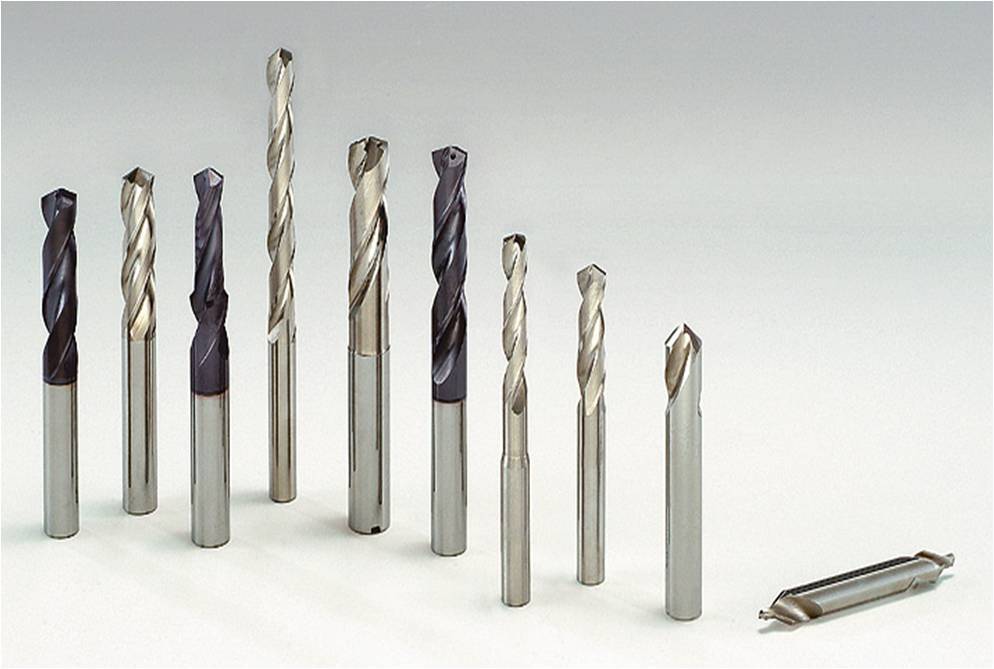
4. Suitable for high hardness and complex materials, with versatile applicability across various scenarios.
- Industrial Processing : Drilling high-carbon steel, stainless steel (such as 304, 316), cast iron, alloy castings, and other metal materials;
- Mining / Infrastructure : Drilling into hard rock formations such as granite, basalt, concrete (including reinforced concrete), and sandstone—compatible with large-scale equipment like hydraulic rigs and high-pressure drilling vehicles;
- Special Scenarios : Some impact-resistant cemented carbide threaded drill bits (with titanium carbide added for enhanced toughness) are suitable for rugged field drilling or heavy-duty machine boring operations involving significant vibration.
V. Dual-purpose for dry and wet use, offering high operational flexibility.
- Dry drilling : No additional water required—suitable for scenarios such as brick walls, ordinary concrete, and soft rock; convenient to operate (e.g., drilling holes for home renovations or repairing small equipment).
- Wet Drilling : When used with cooling water or cutting fluid, it can reduce high-temperature wear on the drill bit while minimizing dust generation. This makes it ideal for long-term, continuous drilling applications involving high-hardness metals, hard rocks, and other demanding materials—further extending the lifespan of the drill bit.
6. The threaded connection is secure and boasts strong torque resistance.
- High connection stability : It features either R-type (such as R28, R32) or T-type (such as T38, T51) threaded connections, with thread profiles that are either "trapezoidal" or "arc-shaped." These designs provide a large contact area, ensuring secure assembly that resists loosening—and can withstand forces of up to 5000–15,000 N·m The torque (depending on specifications);
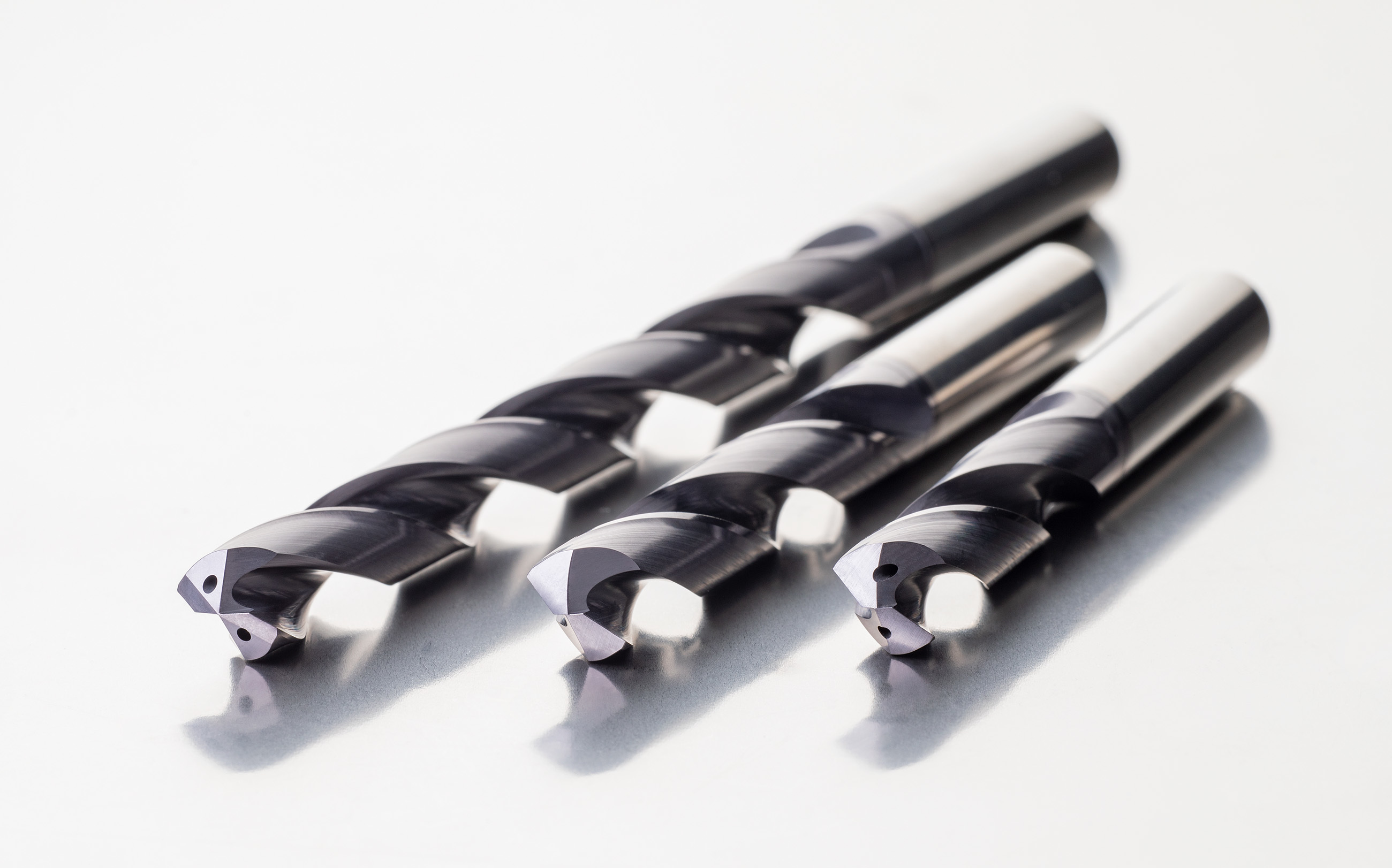
- Good impact resistance In operations requiring "high-frequency impact + rotation," such as drilling blast holes in mines or pile foundation holes in construction, carbide-threaded drill bits are less likely to suffer interface fractures or bit detachment due to the impact, thereby ensuring operational safety.
Related News
What are the advantages of carbide threaded drill bits?
Hard alloy threaded drill bits combine material properties with a carefully designed structure, delivering significant advantages in drilling efficiency, durability, and versatility. They are particularly well-suited for machining high-hardness materials and handling industrial-grade, high-intensity tasks. These benefits can be explored through the following six core dimensions:
1. **Exceptional Hardness and Wear Resistance for Extended Tool Life**
Made from hard alloys—primarily composed of tungsten carbide combined with metals like cobalt—their room-temperature hardness reaches HRA 89–93, far surpassing the HRA 60–65 of high-speed steel. Moreover, they exhibit outstanding thermal stability: even under the intense heat generated during drilling (300–500°C due to friction), their hardness remains remarkably stable, preventing premature wear or chipping that could shorten tool life.
In contrast to traditional high-speed steel drill bits, hard alloy threaded drills can extend service life by 3 to 10 times when working with tough materials such as granite, concrete, and high-carbon steels (e.g., quenched 45# steel). This translates into fewer machine downtime hours caused by frequent tool changes, ultimately reducing overall tool replacement costs.
2. **High Drilling Precision Tailored for Fine Machining Needs**
The structural design ensures superior concentricity: the thread interfaces (such as R-type or T-type) on the hard alloy drill bit fit tightly with the drill rod, maintaining minimal clearance (typically ≤0.02 mm). As a result, the drill bit experiences minimal wobble during operation, enabling hole diameter tolerances to stay within **±0.05 mm**—perfect for precision applications like mechanical components and molds.
Additionally, the cutting edges are precisely ground to achieve exceptional sharpness and stability. After drilling, the surface roughness typically falls between Ra1.6 and Ra3.2, eliminating the need for secondary operations like reaming or polishing and streamlining the manufacturing process.
3. **Efficient Chip Removal and Heat Dissipation for Enhanced Reliability**
The threaded connection between the drill bit and the drill rod creates a "helical channel" during rotation, which works in tandem with the bit’s built-in chip flutes (straight or spiral) to swiftly evacuate rock or metal chips from the borehole. This prevents clogging—a common cause of "stuck drills" or "burnt tools."
Furthermore, hard alloy boasts superior thermal conductivity compared to high-speed steel (approximately 80–120 W/(m·K) vs. 15–30 W/(m·K)). The threaded interface also helps dissipate some of the heat generated during drilling. When paired with cooling fluids (wet drilling), this feature further lowers the drill bit’s temperature, mitigating the risk of material softening caused by excessive heat.
4. **Versatile Performance Across High-Hardness and Complex Materials**
The balanced hardness-to-toughness design of hard alloy allows it to tackle a wide range of challenging materials, making it ideal for diverse industries including manufacturing, mining, and construction:
- **Industrial Applications:** Drilling high-carbon steels, stainless steels (e.g., 304, 316), cast iron, and alloyed castings.
- **Mining & Infrastructure:** Boring through hard rocks like granite, basalt, reinforced concrete, and sandstone—compatible with large-scale equipment such as hydraulic rigs and high-pressure drilling vehicles.
- **Specialized Scenarios:** Certain impact-resistant hard alloy threaded drills, enhanced with titanium carbide for added toughness, are suitable for rugged outdoor drilling or heavy-duty machinery operations involving significant vibrations.
5. **Dual-Mode Operation for Dry and Wet Drilling Flexibility**
Most hard alloy threaded drill bits support both "dry drilling" and "wet drilling" modes, offering unmatched operational flexibility:
- **Dry Drilling:** No additional water is required, making it ideal for applications such as drilling into brick walls, ordinary concrete, or soft rock. It’s perfect for quick, convenient tasks like home renovations or small-scale equipment maintenance.
- **Wet Drilling:** When used with coolant or cutting fluid, dry drilling significantly reduces heat buildup and minimizes dust generation. This mode is especially beneficial for continuous, long-term drilling of high-hardness metals or hard rock formations, further extending the drill bit’s lifespan.
6. **Robust Threaded Connections for Superior Torque Resistance**
The secure threaded connections—available in R-type (e.g., R28, R32) or T-type (e.g., T38, T51)—feature "trapezoidal" or "arc-shaped" thread profiles with large contact areas. This design ensures tight assembly, minimizing the risk of loosening even under extreme torque conditions. Depending on the specific model, these connections can withstand up to 5,000–15,000 N·m of torque.
Additionally, the drills exhibit excellent resistance to impact forces, making them highly reliable in demanding environments such as mine blast holes or foundation pile drilling, where "high-frequency impacts combined with rotation" are common. This robustness not only enhances operational safety but also ensures consistent performance over time.
In summary, the core strengths of hard alloy threaded drill bits can be encapsulated as "hard, precise, fast, stable, and versatile"—offering exceptional hardness, pinpoint accuracy, rapid chip removal, dependable connections, and broad applicability across various industries. As a result, they have become the go-to choice for industrial-grade drilling tasks, particularly in scenarios where efficiency, longevity, and precision are critical.
2025-09-20
How to effectively improve the surface precision of workpieces?
In carbide turning operations, workpiece surface finish is the core quality metric. Whether it meets the required standards is directly influenced by process methods and machining factors. Surface finish issues that fail to meet specifications are relatively common in actual production. Below are targeted optimization and improvement measures:
### 1. Reducing Residual Area Height on Workpieces
The machined surface of a workpiece is formed by both the primary and secondary cutting edges of the tool. Due to the tool's geometry and the relative motion between the tool and workpiece, some metal remains uncut, creating "residual areas" that negatively impact surface accuracy. Optimizing tool parameters and cutting conditions can effectively reduce the height of these residual areas. Key implementation points include:
- Prioritize adjusting the secondary relief angle, as it has a more significant effect on reducing residual area height compared to decreasing the primary relief angle. Reducing the primary relief angle, however, may increase radial cutting resistance and radial forces, potentially causing vibrations if the machine tool lacks sufficient rigidity—thus compromising precision.
- When machine tool rigidity permits, moderately increasing the nose radius of the cutting tool can help minimize residual area height. However, if the radius exceeds the machine’s structural limits, the sudden surge in radial resistance may trigger vibrations, leading to increased surface roughness values.
- Increasing cutting speed while appropriately reducing feed rate can further lower residual area height, while also enhancing machining efficiency and improving surface finish quality.
### 2. Preventing Built-Up Edge Formation
When machining ductile materials at low or medium cutting speeds, the metal in the chip tends to adhere to the tool’s rake face due to friction, forming a "built-up edge." This phenomenon often results in burrs and irregularities, severely degrading the quality of the machined surface. The built-up edge follows a cyclical pattern of "formation - detachment - reformation - re-detachment," with detached fragments sticking to the workpiece surface, disrupting its smoothness. Additionally, the presence of these fragments alters the effective working position of the cutting edge, preventing the formation of a sharp cutting edge and potentially causing vibrations. Such vibrations ultimately lead to reduced surface quality and dimensional accuracy. To suppress built-up edge formation, consider the following strategies:
- Adjust cutting speed based on tool material: For high-speed steel tools, reduce speed and apply cutting oil to minimize friction and adhesion. Conversely, for carbide tools, increase speed to leverage higher temperatures, thereby reducing metal stickiness.
- Under the condition of maintaining adequate tool strength, increase the rake angle of the cutting tool to decrease metal deformation and friction during cutting. Regularly sharpen both the front and back faces of the tool to lower surface roughness and ensure the cutting edge remains sharp.
### 3. Avoiding Wear Marks and Bright Spots
During turning operations, the appearance of bright spots or highlights on the workpiece surface, accompanied by increased machining noise, typically indicates severe tool wear. A worn cutting edge loses its ability to efficiently remove material, instead applying compressive forces onto the already machined surface, resulting in noticeable bright marks and significantly elevating surface roughness. In such cases, it’s crucial to promptly stop the machine, resharpen the tool, or replace it with a new one to prevent further deterioration of workpiece quality.
### 4. Preventing Chip Interference with Machined Surfaces
During machining, chips can scrape against and pull on the previously machined surface, easily leaving behind irregular, shallow scratches that compromise surface accuracy. To avoid this issue, two key approaches can be employed:
- First, select a positive rake angle tool to guide chips away from the finished surface, preventing them from coming into contact with the machined area.
- Second, tailor chip-control measures according to the specific characteristics of the workpiece material. For instance, incorporate designed chip-breaker grooves or adjust cutting parameters to promote controlled chip curling and breaking, ensuring that excessively long or irregularly shaped chips do not come into contact with the finished surface and cause scratching.
2022-07-05
Things to keep in mind when using carbide hob cutters!
Hard alloy hobbers boast high hardness, excellent resistance to high temperatures, and minimal wear, making them perfectly suited to meet the quality and efficiency demands of on-site machining. Additionally, they can enhance the finish of machined surfaces and ensure stable cutting accuracy. That’s why many companies highly favor this type of tool. Today, Nono is here to discuss with everyone: the cutting parameters for hard alloy hobbers—and other important considerations...
2022-07-05